Oct 242010
 

Well, October is all but finished, and I can hardly believe where the time has gone. Well, I know where the last week has gone at least, and that’s been busy transcribing old Hennig papers in German. This is one of the greatest challenges to the science of taxonomy in my mind, needing to critically review all prior information on the taxa of interest. Getting the papers in the first place is often an issue, especially when they’re published in obscure journals from the 1800’s, but once you have them, the real work begins trying to decipher the text. Not only is the obvious language barrier standing in the way, but also the obscure entomological terms that most translators can’t catch and, with the older papers, old lexicon which also isn’t always easily translated. With that in mind, I thought I’d share some of the resources I use for translating these papers (from languages including French, German, Portugese and Spanish).

Google Translate Logo

As with most things on the internet these days, Google is my first choice, and in this case, Google Translate. I’ve found that the translations from Google are much better (when reading the results back in English, not doing a direct translation comparison) than say Yahoo’s Babel Fish (is there a trend here between search engine popularity and translation success? Hmmmm…). Even some complicated German compound words are easily readable after a quick run through Google Translate. Other pros for Google? Real-time translation, allowing you to break up those long compound words which confound the software, and the ability to upload entire Word documents to be translated at once. I find typing accented letters in a word processor much easier than online, speeding up the process in many cases (and also allowing you to save your transcribed files for later instead of evapourating into the ether of the web). I’d say that 95% of my translating needs are met with Google Translate. Another added benefit? Google recently added Latin translation, allowing you to check the etymology of taxon names, or invent your own!

Woxicon Free Online Dictionary

Sometimes when you read over your translated text, you’ll come across a word or term that doesn’t seem to fit or make sense. In these cases I turn to the Woxikon Online Dictionary, which provides a list of synonyms for translated words. This website is only for individual words and not mass blocks of text, but it has helped me make sense of some rather odd sentences! Woxicon works for a bevy of languages (although not as extensive as Google) covering most of the languages in classic taxonomic papers.

Of course, neither of these sites are much good with detailed morphological terms, although in many instances I find I can guess the correct structure based on similarity to English, or by comparing to specimens (i.e. looking for the red sclerite on the thorax, and then determining that was the katepisternum).

Now my question to all you taxonomists (and anyone else dealing with similar linguistics issues): how do you go about translating papers? Do you have access to a multi-lingual colleague in your department, speak multiple languages yourself, or have other resources for this sort of thing? Leave your solutions below in the comments!

UPDATE: After finally finishing transcribing Hennig, I found that Google Translate had some issues translating the entire document (26 pages) and took a few tries to translate the whole thing. After finally getting everything translated, I found I couldn’t download the text, and copy & pasting resulted in both the English and German versions getting transferred in a mixed format. The solution? I uploaded my Word document to Google Docs, used the translation service (again needing 3 tries to perform the entire translation) and then downloaded the file back to my computer for reading later. Overall, easy to do (other than the need to translate it multiple times) and with pretty decent results.
Oct 152010
 

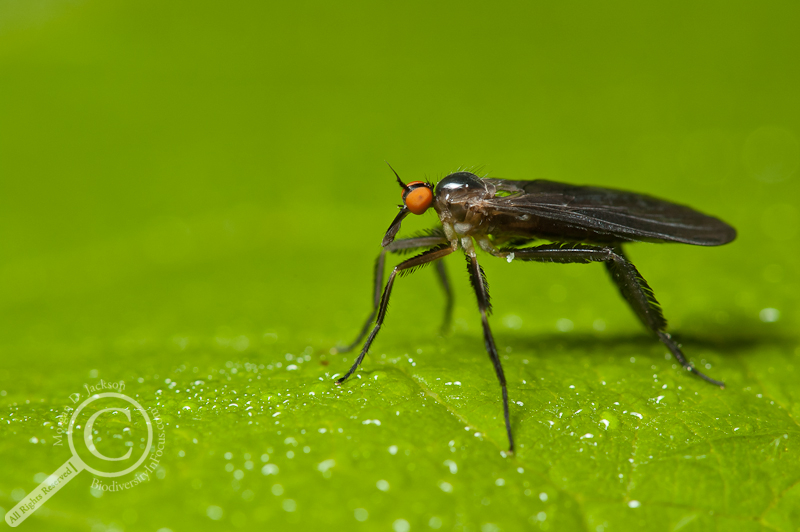
Empididae dance fly on green leaf with water droplets

Water, water everywhere, and not a fly in sight! Well, not actually, because the vast majority of flies could be considered aquatics. I’m not just talking about those flies that actually are aquatic at some stage of their life (like chironomid midge larvae, or black fly larvae; I’ll discuss them later), but rather how even those considered “terrestrial” require extremely moist habitats. Take for example, larve of the Xylophagidae, which in North America live in the humidor of rotting bark on downed trees. Or fruit flies (both the true fruit flies {Tephritidae} and the household “Drosophila” melanogaster), which develop in live fruits, stems, flower heads, and leaves for the former, and rotting fruits in the latter. A decaying body is a wet place, and harbours plenty of maggots, usually of Calliphoridae. A live body is also a wet place, and can be colonized by a number of families (termed myiasis) including the infamous bot fly (Oestridae). In fact, very few flies come to mind that don’t spend at least a part of their life in a humid/moist/wet environment.

Besides the vast diversity of “aquatic” flies, flies that are truly aquatic as larvae have been found to be important bioindicators of the health of their watery homes. Phantom midges (Chaoboridae) and their larvae have been used to monitor heavy metals such as nickel in northern Ontario lakes. Black fly larval diversity and species composition has been used to evaluate the health of rivers, especially in northern Canada (imagine that field work, ouch).

Finally, there are some flies which defy convention and dive headlong into the water (skip to 4:40 to see the flies, taken from The Future is Wild series):

The new gold rush – Blog Action Day 2010

 Blogosphere, Environment, Nature  Comments Off on The new gold rush – Blog Action Day 2010
Oct 152010
 

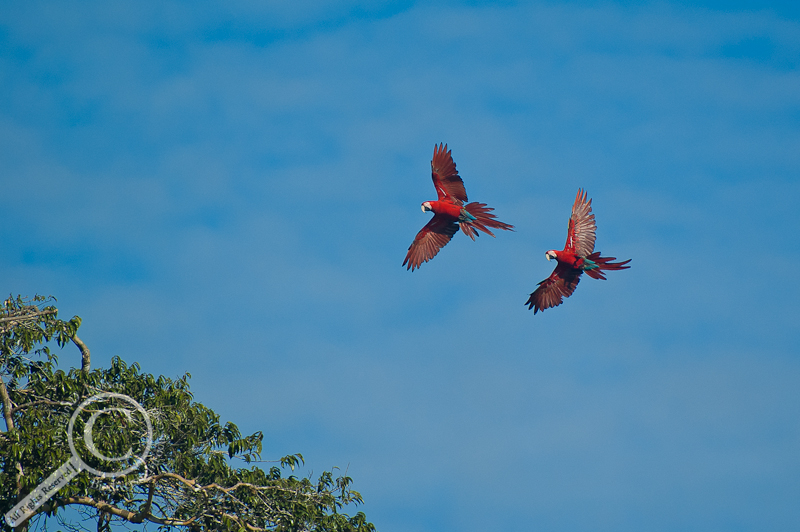
When you think of the Amazon River and it’s tributaries, what comes to mind? Perhaps parrots flying over head

Scarlet Macaw pair flying under blue skies

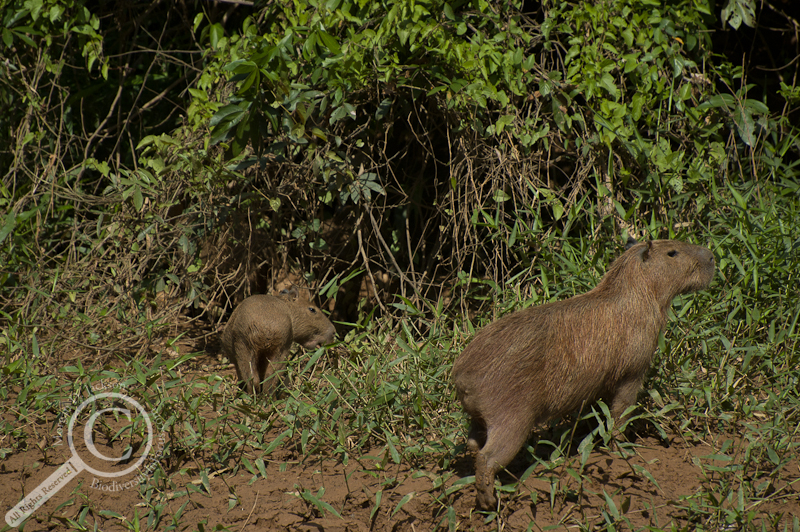
or capybara feasting along the river.

Capybara along river in Peru

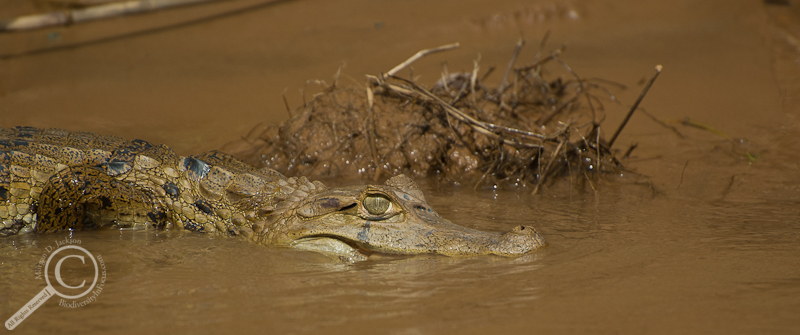
Maybe you envision a caiman slipping into the water, ready to disappear,

Caiman slipping into river in Peru

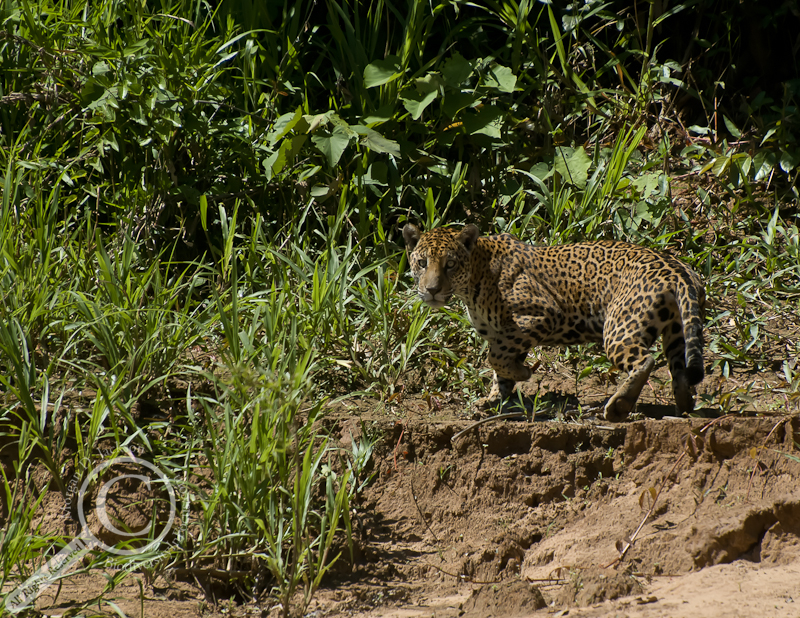
or if you’re really lucky, a jaguar sunning itself along the beach.

Jaguar walking along river in Peru

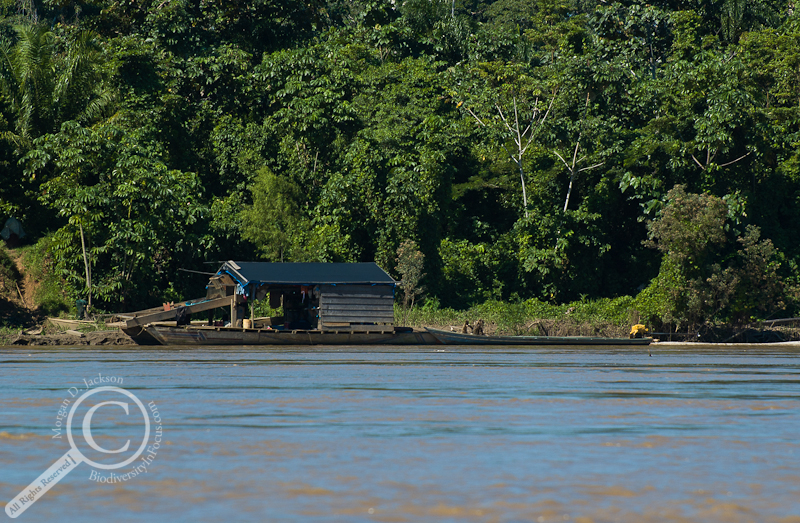
But the most common sight on the Madre de Dios and Heath Rivers when I was there?

Gold processing skow in the Madre de Dios River

This beastly boat is a mobile gold processing boat, and not only is it illegal, but it’s one of many polluting these rich waters. With the price of gold sky-rocketing (more than $1300USD/ounce), these boats and the “miners” who work with them stand to make more money than many other careers can hope to make in rural areas. The miners spend hours hauling silt from the river bed onto the boat and sifting it on the large ramp like structure on the left. After sifting, the miners then use liquid mercury (by hand and without proper safety equipment no less) to draw the gold out. The mercury ultimately ends up in the river, where all trophic levels are adversely affected, and fish, mammals and birds begin dying off. Besides the obviously horrible effects of mercury, the increased silt builds up downstream and forests are pillaged for supplies and bushmeat. Is there a solution, or method to deter such destructive techniques? While the gold market remains so lucrative, the allure of a “simple” fortune will continue to draw young men. I don’t have an easy solution, but perhaps once young men start seeing prior workers and residents downriver suffering from acute mercury poisoning, they’ll think twice about taking up the trade (or become smarter about the handling and disposal of these deadly chemicals).

Check out this Washington Post story for more information.

Oct 152010
 

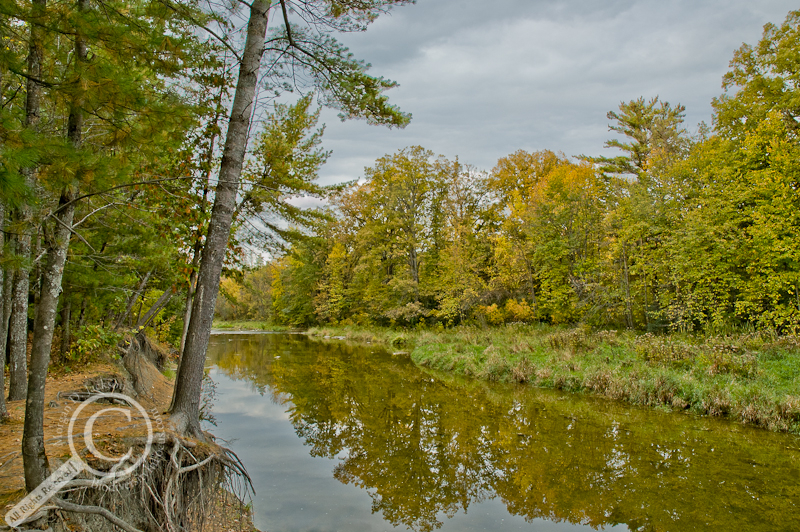
Tone Mapped image of a river in Ontario Canada

Water is the driving force of all nature

– Leonardo da Vinci

I was raised on the shores of Lake Huron, and spent summer vacations on a northern Ontario lake; I have traversed amazonian rivers, and hiked along mountain streams hunting for insects. At work or at play, water has been a contributing factor in my development as a scientist and as a photographer.

Continue reading »

The tiny beauty around us

 Blogosphere, Cool Science, Insects, Photography  Comments Off on The tiny beauty around us
Oct 132010
 

The winners of the yearly Nikon Small World Photomicrography Contest were announced today, and some incredible and ingenious insect images took top honours!

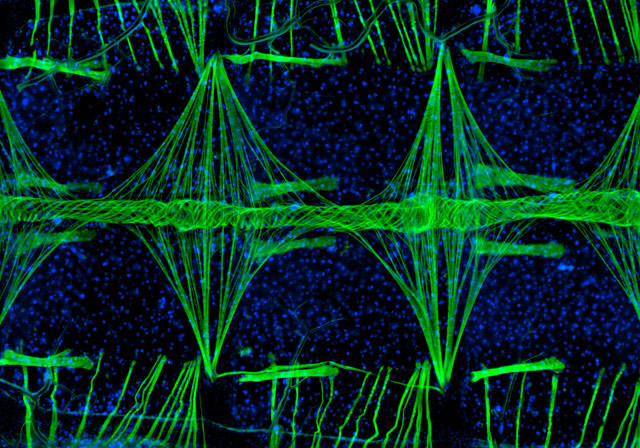
Mosquito (Anopheles gambiae) Heart by Jonas King from Nikon Small World Contest

1st Place - Mosquito (Anopheles gambiae) Heart by Jonas King

This image by Jonas King, a graduate student at Vanderbilt University in Tennessee, is the heart of Anopheles gambiae, a mosquito species which serves as a vector for malaria. Kings’ research examined how hemolymph circulation influences malaria trypanosome migration from the gut to the salivary glands, and this image of the heart (muscle fibres are dyed green with individual cell nuclei bright blue) was a fantastic result of that research.

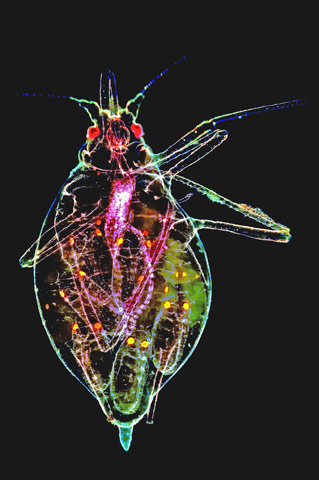
Black bean aphid with offspring inside her body by Dr. Tomas Cabello from Nikon Small World Photomicrography Contest

Popular Vote Winner - Black bean aphid (Aphis fabae) with offspring inside her body by Dr. Tomas Cabello

Earning an Image of Distinction from the contest judges, Dr. Tomas Cabello’s photo of a black bean aphid carrying live young was voted the most popular by the public. By using phase contrast microscopy, Dr. Cabello illustrates just how crowded it can be when you’re parthenogenetically viviparous!

There’s a further 120 images from this years competition that I encourage you to peruse, and feature a wide range of colourful, beautiful natural wonders revealed through magnification. There is also an historical record of winners going back to 1977, and I just want to highlight how far photomicrography and photography have come in that time.

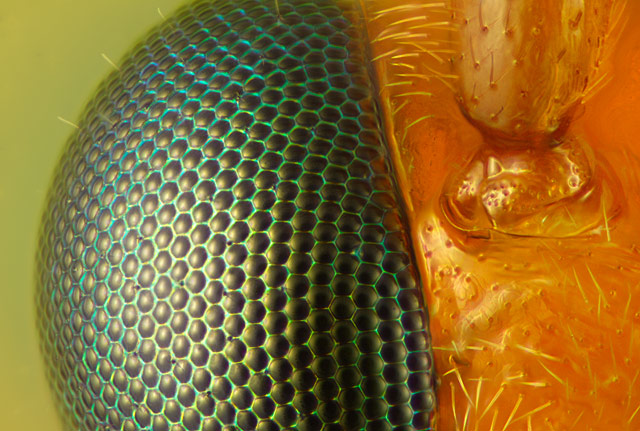
Ichneumonidae Eye by Charles Kreb from Nikon Small World Contest

17th place 2010 - Ichneumonidae Eye by Charles Kreb

This image of an ichneumonid wasp compound eye and antennal base by Charles Kreb garnered a 17th place finish in this year’s contest. In contrast, check out the 11th place image from 1987:

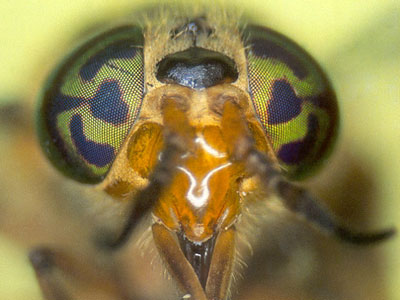
Deer fly (Tabanidae) head by Robert L. Calentine from Nikon Small Wonders Contest 1987

11th place 1987 - Deer fly (Tabanidae) head by Robert L. Calentine

This is still a great photo given the resources and technology of the time, but with new digital cameras, photo stacking algorithms and photo manipulation techniques, the sky is the limit for the future of imaging even the smallest of insects now. If you have experience with photomicrography or a subject which you think the world should see up close and personal, I encourage you to enter next year’s competition and help people see the beauty in all aspects of nature!

Oct 132010
 

One of my daily internet stops is TeeFury, a t-shirt site which offers independent designers the chance to showcase their work for one day only, and offers shirts for $9US! Usually there’s some pretty catchy shirts, but today’s is one of their better designs!

Image courtesy of TeeFury.com

I’ve already ordered mine, so get yours while you can! The shirt will be off the market forever at 11:59:59PM Wednesday night, so act fast. Click here to order yours today.

I have no affiliation with TeeFury.com, just a big fan of t-shirts!
Oct 062010
 

I’m an information addict, and blogs help feed my habit daily. I read about photography, web design, baseball, nature, video games, science, travel, and of course entomology, and each blog opens my eyes and educates me in a different way. But what if each blog took one day to discuss the same subject, from their unique point of view? That’s the idea behind Blog Action Day, an annual event geared at creating a unified conversation across the international blogosphere about a topic important to everyone. This year’s conversation begins Friday, October 15th, and will focus on water, something every living thing on Earth requires, yet which is largely taken for granted in the Western world. To date, 1,600+ blogs in 100 countries and with a combined readership of nearly 13,000,000 people have committed to dive into the discussion, and I’m sure those numbers will continue to grow this week.

Blog Action Day 2010: Water from Blog Action Day on Vimeo.

I haven’t solidified what I’ll bring to the table yet, but I will do my part to get the world talking about water in my own, insect-centric way. I hope you’ll join me  next Friday, and I encourage you to join in the discussion, either through your comments or through your own blog.

Oct 042010
 

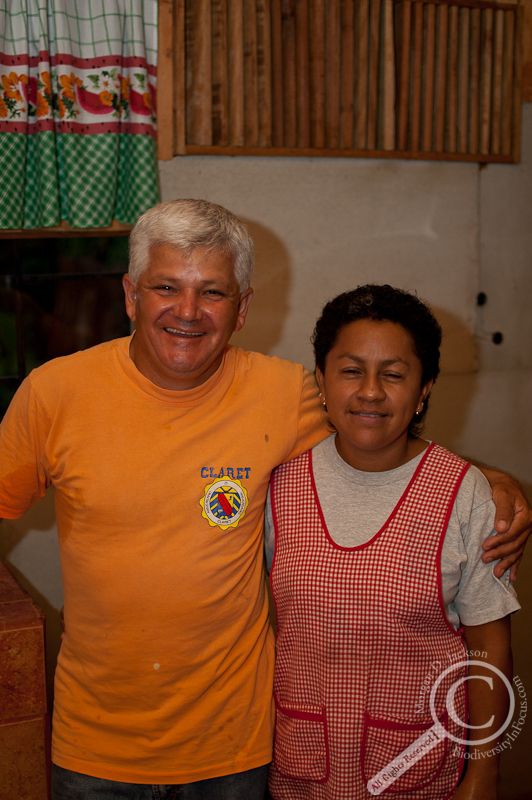
Beto & Patricia - El Copal Reserve OwnersWhat started as an unproductive sugar cane and cattle farm has been transformed into a leading ecolodge and biological reserve. The El Copal Biological Reserve is the result of a decade’s hard work and determination by Beto and Patricia Chavez; owners, operators, and advocates for sustainable sources of income in rural Costa Rica.

Continue reading »

Sep 212010
 

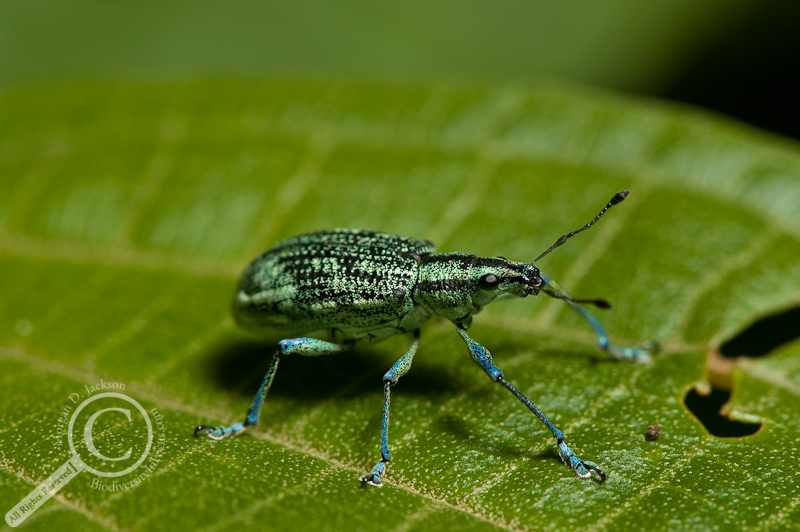
Green Weevil on green leaf in Costa Rica

For those looking for a little beetle love eight days a week, An Inordinate Fondness #8 was posted up at Arthropoda yesterday. Most magazine’s may feature paperback writers, but AIF is a monthly “magazine” of blog posts from here, there and everywhere around the insect blogging community, all focusing on beetles, whether through photography, paper reviews, or field observations. I’ve been following AIF for a few months now, and with a little help from my friends and fellow bloggers, it’s always a fun read. I don’t want to spoil the part, but this month’s edition features a recent Bug of the Day post by yours truly in addition to a whole lot of info on all sorts of beetles! So I hope you’ll come together and check out AIF today! The End.

P.S. There are BioPoints available in this post, if you can figure out the hidden signals! You’ll get 5 points for each correct answer!