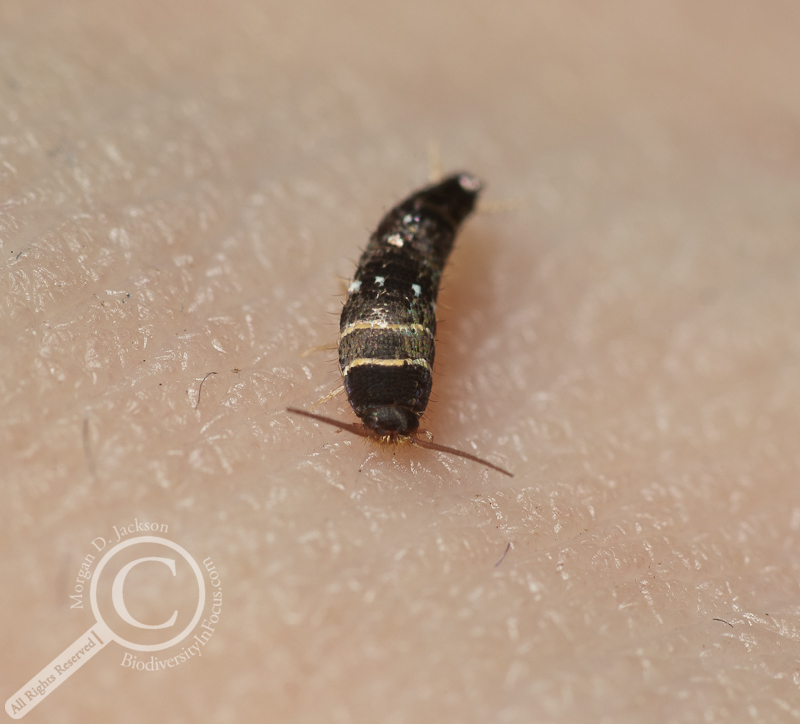
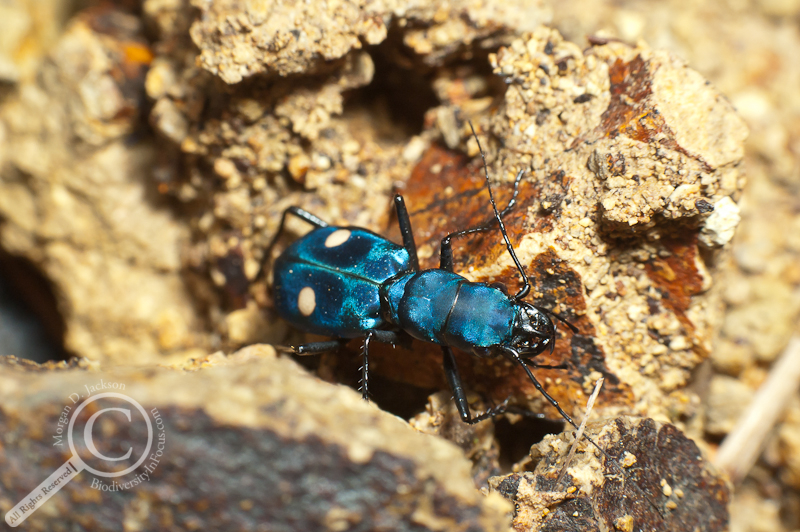
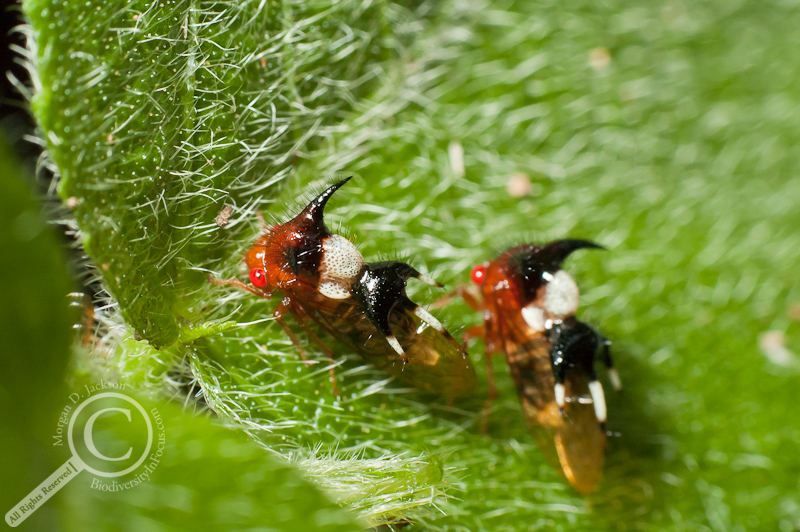
Ryan FleacrestAnother week, another tune! Sarah Brightman’s The Fly


It’s also time for another ID Challenge:


Time to earn some more BioPoints! Provide as many taxonomic or biological notes you can think of, and I’ll dole out the points! Good luck!

(I’m taking a page out of Ted’s book and turning on moderated comments so everyone has a chance at some points!)

Share

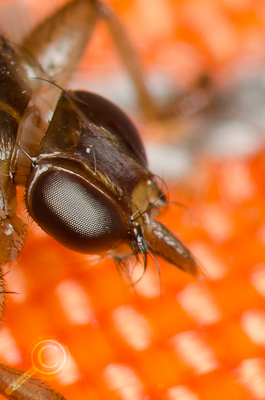
You may remember I offered an ID challenge a few days weeks month ago (where did that month go?), so I figured I’d best tally some points. What was that bug-eyed beast staring out from the screen?
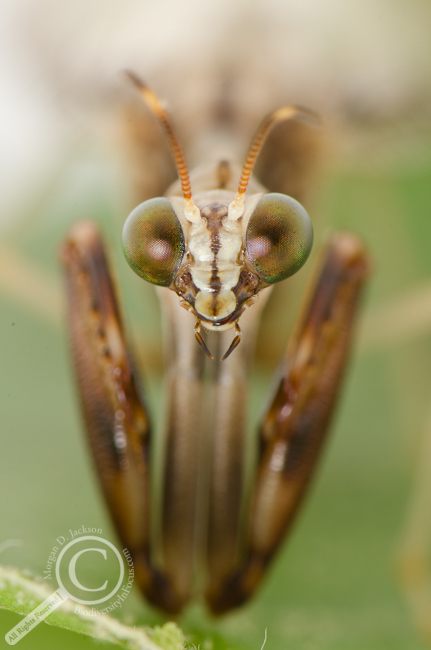
Bug-eyed Beast

This deceiving photo may at first glance remind you of a praying mantis (order Mantodea), but is in fact the face of an insect in a totally different order; the Neuroptera. As Miles correctly deduced, this is Dicromantispa interrupta, a member of the mantisfly family (Mantispidae).

One of four species of mantisfly found in Canada, Dicromantispa interrupta is restricted to southern Ontario and Quebec in Canada (this specimen was brought back from Turkey Point Provincial Park in Norfolk County, Ontario during a recent survey), but occurs all the way down to Florida and southern Mexico and as far west as Minnesota. As can be guessed by the large eyes and raptorial front legs, adults are predatory on other insects, while larvae are parasitic in juvenile spiders. The mantisfly larvae are mobile and enter a spider’s egg sac as it’s being spun (or possibly find their way into completed egg sacs), where they await the hatching of spiderlings. Once the spiderling has hatched, the mantisfly larva will wrap itself around the pedicel (waist) of the spider until it’s next molt, at which point it will enter the book lungs and continue its development, eventually pupating and emerging from the egg sac as an adult!

There is another closely related species found in the extreme south of Ontario, and which Chris Borkent alluded to; Dicromantispa sayi. Although very similar in appearance, D. interrupta can be recognized by the brown markings at the tip of the wings and about 1/3 of the way from the tips (D. sayi has no such markings with the wing entirely clear other than the leading edge) .
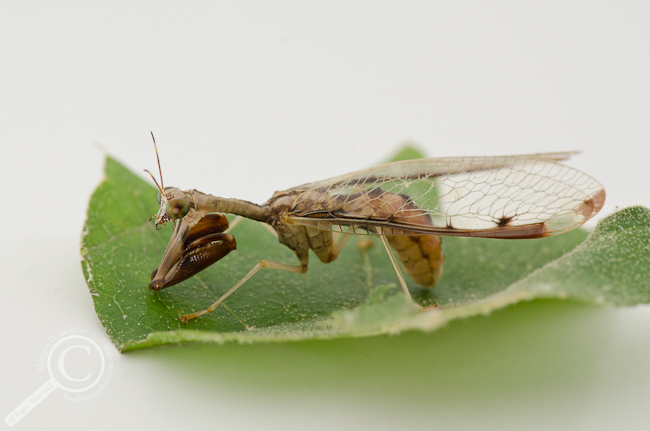
Dicromantispa interrupta mantisfly lateral

Dicromantispa interrupta (staged)


As for BioPoints, I’m giving 2 to Peter Coffey for participating and hazarding a guess on the order; Miles walks away with 15 for the correct order, family, genus and species; and Chris gets 5 for taking a chance on the other sympatric species! Thanks for playing, and I’ll try to do challenges more frequently to allow everyone a chance at getting to the magic number of 200, so be sure to check back for other opportunities!

 
ResearchBlogging.orgCannings, R., & Cannings, S. (2006). The Mantispidae (Insecta: Neuroptera) of Canada, with notes on morphology, ecology, and distribution The Canadian Entomologist, 138 (4), 531-544 DOI: 10.4039/n06-806

 

Share

I’m back from Costa Rica, and largely caught up on research, photos, and everyday life, so it’s time to post answers to all of the bug of the day quizzes and award BioPoints to those correct answers!

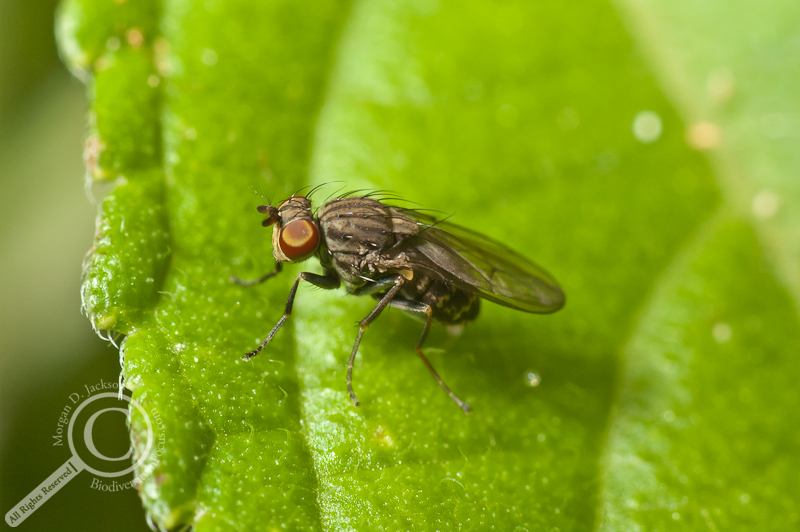
Fly from Costa Rica Continue reading »

Share

Bug of the Day Costa Rica

Click to Enlarge

Tonight I’ll be looking for the trifecta of families – superfamily (2), family (5), and subfamily (5). I’ll post the points and the answers after I get back to Canada. Enjoy!

Share

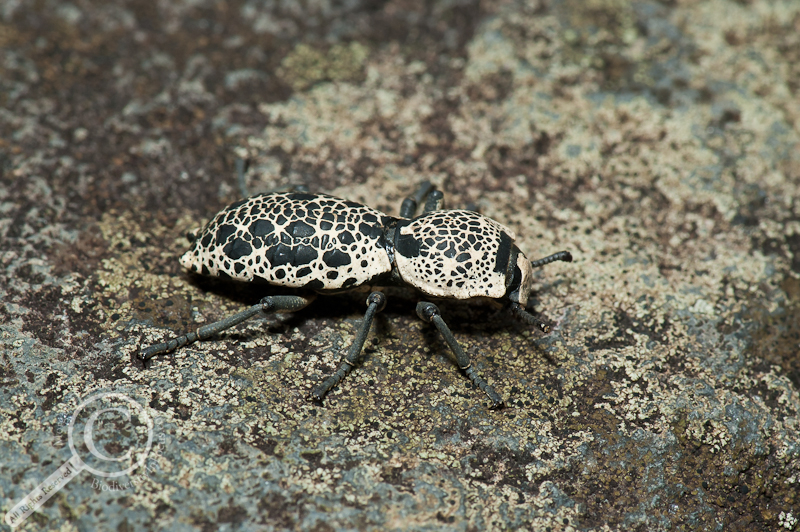
Costa Rican Bug of the Day

Tonight I’m looking for order (2), family (5), and subfamily (10). I’ll post the answers and scores next week when I get back to Canada. Good luck!

Share

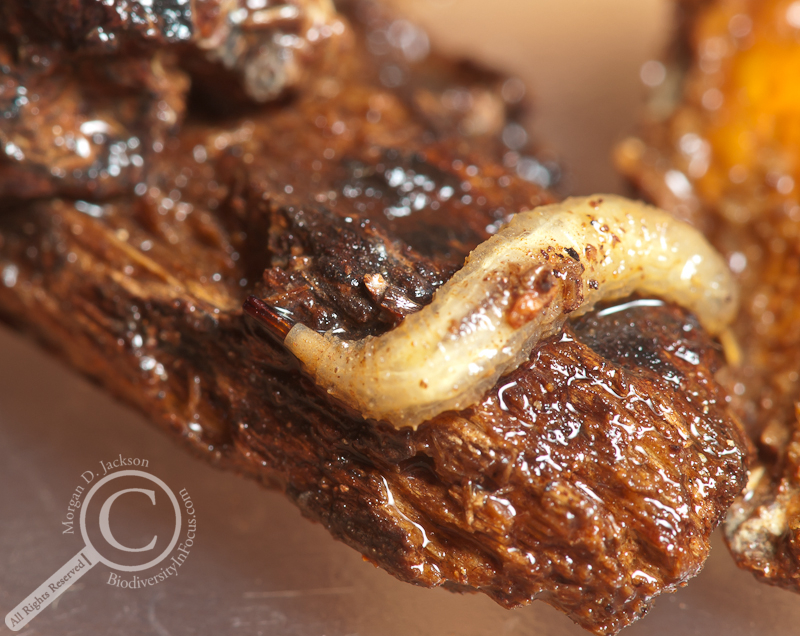
Costa Rica Bug of the Day

Click to Enlarge

Tonight I’m looking for the ordinal scientific name (5), and the common name (2). There are bonus points available here, but because people have been doing so well I’m not giving any hints about how to get them. You’ll just have to give me more information and hope it’s what I’m looking for! I’ll award points and give the answers once I’m back in Canada next week. Have fun!

Share

Sorry there wasn’t a bug of the day yesterday, I ran out of steam and couldn’t get an image edited before I fell asleep! Here’s today’s:

ICD7 Logo

What’s this you say? A graphical representation of a fly? Well today I’m looking for one of the families that this fly could be based on the head morphology (I’m giving you a break since the wing veination isn’t really visible). I’ll give 5 points to each correct family name (scientific or common). Have fun, and spelling counts!

Share
BotDAug10
Click to Enlarge

Alright, we’re getting easier and easier here. 5 BioPoints for family name, 2 for family common name, 5 for subfamily name, and 2 more for subfamily common name! Answers and points will be awarded once I get back to Canada. Tune in tomorrow for something a little different!

Share

Bug of the Day Aug 9 Costa Rica

Click to Enlarge

Today’s bug of the day is a little easier I think, so I’ll give 5 BioPoints for the family name, 2 for the common family name, and I’ll put a total of 20 BioPoints up for grabs to anyone who can come up with a creative/evolutionary solution to why these insects look the way they do (these will be split between people if there are multiple good answers). Good luck, and I’ll award points and provide the answers in a week or so when I get back to Canada!

Share

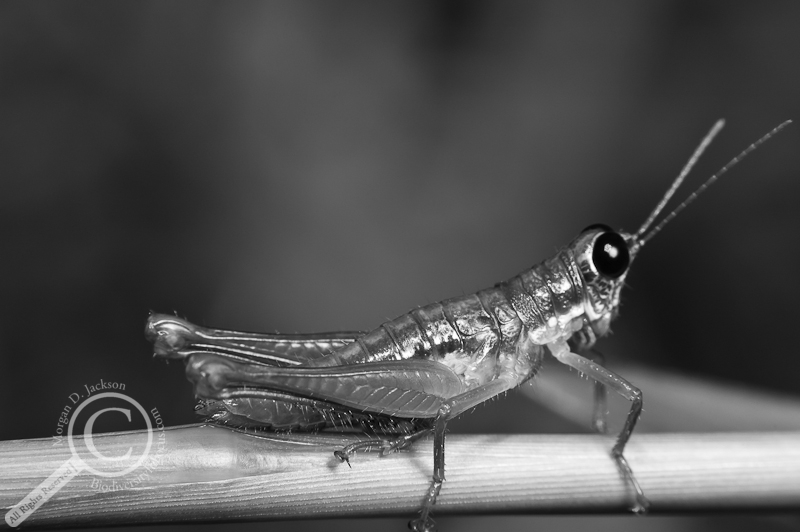
Grasshopper in black and white

Alright, because I’m tired and I need to get to bed, today’s bug of the day challenge is a little different than those that came before! Today, 15 BioPoints are up for grabs for the first person to correctly guess the colour of this nymphal grasshopper from El Copal Reserve in Costa Rica. I’ll post the answer and the full-coloured photo after I return to Canada!

Share
© 2012 Biodiversity in Focus Blog Suffusion theme by Sayontan Sinha